How not to get rugged
Sep 26, 2026 6 min read
Crypto's biggest risk isn't the technology. It's the guy in your DMs. A field guide to custody, seed phrases and the seven scams you'll definitely meet.
Custody: who's holding the keys
Every crypto wallet has a private key. Whoever holds the key holds the money. There are two models:
- Self-custody. You hold the key, usually as a 12- or 24-word seed phrase. Total control, total responsibility. Lose the phrase, lose everything. No reset button exists anywhere in the universe.
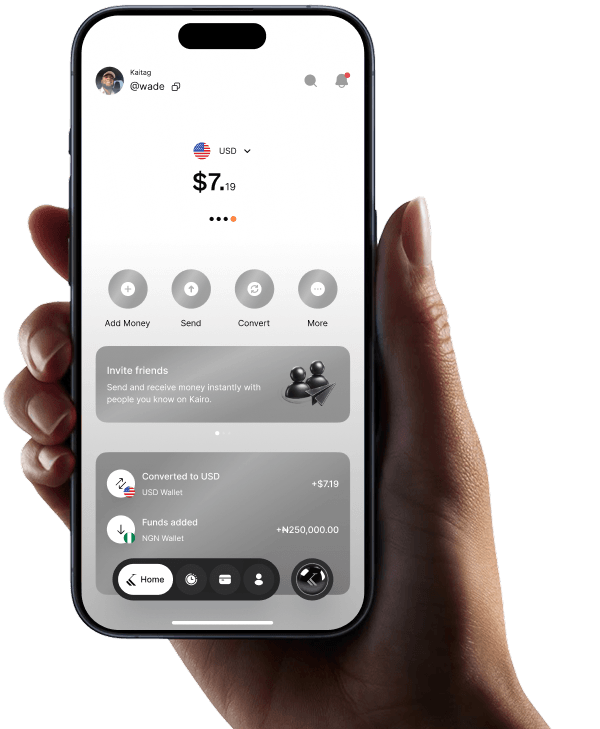
- Custodial. A regulated provider holds the key in secured hardware and you log in like a normal app. If you lose your phone, you recover the account, not the money. This is what most people should use, and it's how Kairo works.
"Not your keys, not your coins" is a real principle. So is "not your backup, not your coins." Pick the model you'll actually manage well.
Seed phrases, if you do go self-custody
Write it on paper. Twice. Store the copies in two places. Never type it into a website, never screenshot it, never put it in your notes app, never tell anyone, and if an app "needs it to verify your wallet", that app is a robbery in progress.
The seven scams you will meet
The boring habits that actually work
- Turn on biometrics and a PIN that isn't your birthday.
- Never share a one-time code. Not with your bank, not with your mum, not with "the app".
- Send to a handle, not an address, whenever you can.
- Do a small test transfer before a big one.
- If something feels urgent, slow down. Scammers can't survive a 10-minute pause.
TL;DR Custodial for most people, seed phrase on paper if you go solo, never share a code, never rush. The tech is fine. The DMs are the danger.
All articles
See more
One account. More ways to move.
Get started with Kairo.